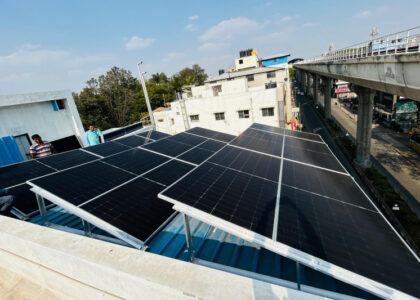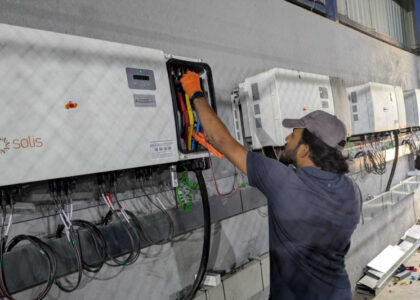


Adopting solar power effectively relies on innovative strategies and teamwork to deliver sustainable energy solutions for homes, businesses, and communities. Teams collaborate to design and implement solar systems that capture sunlight efficiently, converting it into clean electricity while minimizing carbon emissions and reducing dependence on fossil fuels. By applying cutting-edge solar technologies, these methods ensure consistent energy generation in all weather conditions, improving efficiency and long-term savings. Advanced monitoring, energy management, and storage solutions give homeowners and organizations full control over energy use, costs, and sustainability objectives.
Key Advantages of Innovative Solar Methods:
- Expert Collaboration: Combine the skills and knowledge of solar specialists for optimal system design.
- Reduced Energy Costs: Strategically plan and install systems to lower electricity expenses.
- Environmental Benefits: Minimize carbon footprint and promote sustainable energy practices.
- Energy Autonomy: Create systems that reduce reliance on conventional power sources.
- Smart Technology: Integrate monitoring and management tools for maximum energy efficiency.
- Reliable & Durable: Use high-quality panels built for long-lasting performance.
- Hassle-Free Setup: Implement solar systems with minimal disruption and maintenance.
- Incentive Opportunities: Leverage government rebates, tax credits, and subsidies through well-planned systems.
- Flexible & Scalable Solutions: Tailor installations for homes, offices, industrial facilities, or communities.
By using innovative methods for solar power, teams and communities can achieve significant cost savings, reduce environmental impact, and enhance energy independence. These forward-thinking approaches promote efficiency, sustainability, and eco-conscious living, transforming how energy is generated and consumed. Embrace innovation to build a cleaner, brighter, and sustainable future for generations to come.