

What Is a Hybrid Inverter?
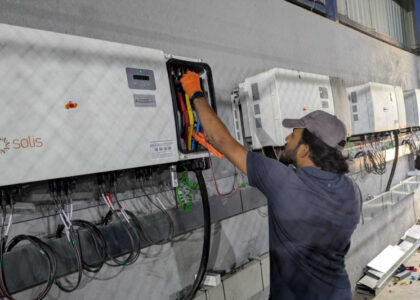
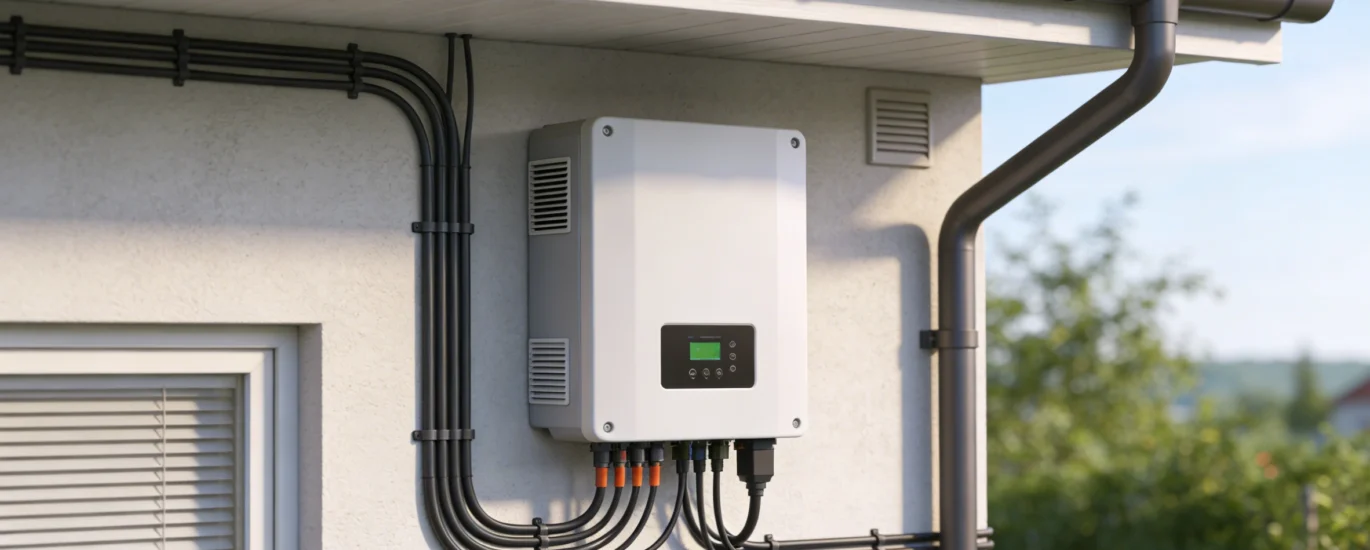
A hybrid inverter combines a solar inverter and a battery inverter into one device. It converts DC power from your solar panels into usable AC electricity. At the same time, it manages battery storage and grid power together.
That’s the short answer to what a hybrid inverter actually is. However, the details matter once you start comparing systems for your home in 2026. This guide breaks down how a works, how it differs from other inverter types, and whether it fits your household.
Hybrid Inverter Meaning: The Basics
It is essentially two devices in one. It combines a standard solar inverter with a battery inverter. Instead of installing separate units, you get both functions in a single box.
Because of this combination, a hybrid inverter handles three power sources at once. It manages solar panels, battery storage, and the utility grid together. Therefore, it decides in real time where your electricity should come from.
How a Hybrid Inverter Works
During the day, solar panels generate DC electricity. The hybrid inverter converts this DC power into AC power for your home. Any extra power gets routed straight to the battery for storage.
In the evening or during a power cut, the system taps into that stored battery power. If the battery runs low, the inverter can also draw AC power from the grid to recharge it. As a result, your home rarely loses power, even when the sun isn’t out.
Hybrid Inverter vs Normal Inverter vs On-Grid Inverter
Not all inverters do the same job, so it helps to compare them directly.
Normal Inverter (Home UPS)
A normal inverter only stores grid electricity in a battery. It doesn’t connect to solar panels at all. It simply supplies backup power during outages, without lowering your electricity bill.
On-Grid Inverter
An on-grid inverter converts solar power into AC electricity for immediate use. However, it stops working the moment the grid goes down, since it has no battery backup. It’s built mainly to reduce your monthly bill through net metering.
Hybrid Inverter
It does both jobs at once. It lowers your electricity bill like an on-grid system, and it provides backup like a normal inverter. Consequently, it costs more upfront but often pays for itself through added flexibility.
Key Benefits of a Hybrid Inverter
Beyond the basic definition, here’s what actually makes a worth the extra cost:
- Backup power during outages, unlike a pure on-grid system
- Lower electricity bills through smarter use of stored solar energy
- Future-ready design for added batteries or EV charging later
- Real-time monitoring through a mobile app
- Fewer devices to install, since one unit replaces two
Why Hybrid Inverters Are Gaining Popularity in India
Grid power cuts remain common across many Indian cities and towns. Meanwhile, electricity tariffs keep rising year after year. Consequently, more households now want backup and savings from a single system.
Government support has accelerated this shift as well. Under the PM Surya Ghar rooftop solar scheme, the Ministry of New and Renewable Energy offers subsidies for eligible installations. In fact, ALMM-listed installed through empanelled vendors can qualify for this support.
Is a Hybrid Inverter Right for Your Home?
Before deciding, check your eligibility and the latest subsidy rates on the official Ministry of New and Renewable Energy website. The rules around empanelled vendors and approved equipment change periodically. Therefore, it’s worth confirming current details before you commit to a system.
For a closer look at these systems in practice, our detailed breakdown of solar systems for Indian homes covers real installation scenarios. We’ve also compared on-grid and off-grid setups if you’re still weighing your options. For the full lineup, you can browse our complete inverter range.
FAQ:
What is a hybrid inverter in simple terms?
A hybrid inverter is a single device that converts solar power into usable electricity. It also manages battery storage and grid power together, all within one unit.
Is a hybrid inverter better than a normal inverter?
For homes with solar panels, yes. It reduces electricity bills and provides backup, while a normal inverter only stores grid power for outages.
Can a hybrid inverter work without a battery?
Yes, most hybrid inverters can run without a battery installed. However, you lose the backup and storage benefits until one is added.
How much does a hybrid inverter cost in India?
Pricing varies by capacity and brand. Hybrid models generally cost more than on-grid inverters because of the added battery management hardware.
Does a hybrid inverter qualify for India’s solar subsidy?
Many hybrid inverter setups qualify under the PM Surya Ghar scheme. This applies provided the components are ALMM-listed and installed through an MNRE-empanelled vendor.
Get in Touch with Eco Solar Energy
ISO Certified | Trusted Solar Experts in Bangalore | PAN India Services
📞 +91-9845916006
✉ info@ecosolarenergy.in
🌐 www.ecosolarenergy.in
📍 17, 2nd Cross, Mysore Rd, Near Satellite Bus Stand, Bangalore-26